July 3rd| Eliana De Loera
Magical realism and speculative fiction are powerful literary genres that blend the ordinary with the extraordinary, inviting readers into worlds where the boundaries between reality and fantasy are fluid and often intentionally blurred. Two examples of this are Isabel Allende’s “Two Words,” from The Stories of Eva Luna (1989), and Liliana Colanzi’s “The Narrow Way” (2023). Both stories use elements of magical realism and speculative fiction to explore deeper themes related to power, gender, language, and belief systems.
In “Two Words,” Allende introduces a protagonist, Belisa Crepusculario, whose gift for words transcends the normal. Her ability to sell words and influence people with language carries an almost magical quality. This blurring of fantasy and reality highlights the transformative power of language not just as communication but as a tool of empowerment and resistance.

The story uses this magical element to comment on gender and power, showing how Belisa’s mastery of words allows her to navigate and subvert a male dominated world, challenging authority through something as intangible yet potent as language.
Similarly, “The Narrow Way” by Colanzi weaves speculative fiction elements into a narrative that destabilizes the reader’s sense of what is real. The story’s surreal qualities create a liminal space where reality and fantasy coexist, reflecting on identity and belief systems. The “magic” in this story feels symbolic, representing the fluidity and complexity of human experience, as well as the ways cultural or societal norms can shape or constrain perception and self understanding.
Both authors use magical realism and speculative fiction not merely for aesthetic effect but as a means to critique social structures and explore how power operates through language, gender roles, and belief. The magical elements become metaphors for transformation, resistance, and the negotiation of identity, encouraging readers to question accepted realities and consider the unseen forces shaping human life.
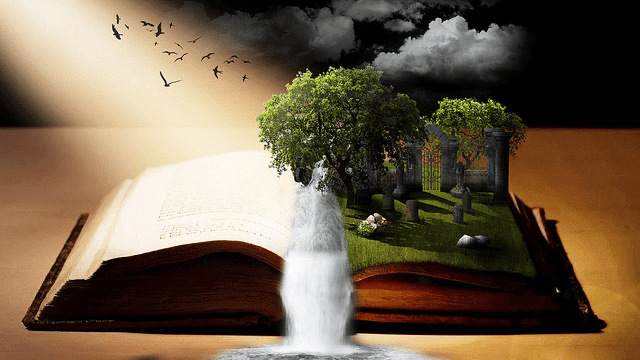
In summary, the magic in these stories is deeply metaphorical. It symbolizes the power of language to change lives, the fluidity of identity, and the ways belief systems influence our understanding of the world. By blurring fantasy and reality, Allende and Colanzi invite readers to see beyond the surface and engage with the complex interplay of power, gender, and meaning in human experience.
Thank you for reading Blog 4!!!!
 latinxlitdotblog
Leave a comment