Alberto Ríos’ poem “Border Boy”
The poem written by Alberto Ríos’

“Border Boy”offers a powerful and intimate look into the complexities of Latinidad and acculturation, viewed through the eyes of a child navigating the fluid space of the U.S.-Mexico border. The poem doesn’t just describe a physical location it delves into the psychological and cultural landscape of growing up with a foot in two different worlds, highlighting the subtle yet profound ways identity is shaped by this unique experience.
Latinidad in “Border Boy” is presented not as a fixed identity, but as a lived reality, constantly being redefined by the border itself. The boy’s everyday life is a blend of languages, customs, and perspectives, where the lines between “here” and “there” are blurred. Ríos uses vivid imagery to convey this fusion, showing how the boy’s understanding of himself and his surroundings is intrinsically linked to this liminal space. His identity is enriched by the cultural interplay, even as he grapples with the inherent tension of belonging to, yet being separated by, two distinct cultures.
The process of acculturation in the poem is less about losing one’s original culture and more about the ongoing negotiation and integration of two. The “border boy” isn’t shedding his heritage but rather weaving new experiences into the fabric of who he is. This creates a unique form of belonging, where he is both an insider and an outsider in both cultures. Ríos subtly portrays the resilience and adaptability required to thrive in such an environment, suggesting that acculturation, in this context, is not just assimilation but a dynamic process of creating a new, hybrid identity that is uniquely his own.
Continuing on, the initial chapters of Julia Alvarez’s How the García Girls Lost Their Accents immediately plunge us into the intricate world of the García sisters, offering a compelling look at Latinidad and the early stages of acculturation. As the family flees the Dominican Republic for the United States, the narrative skillfully establishes the stark contrasts and subtle connections between their past and their present, laying the groundwork for a lifelong negotiation of identity.
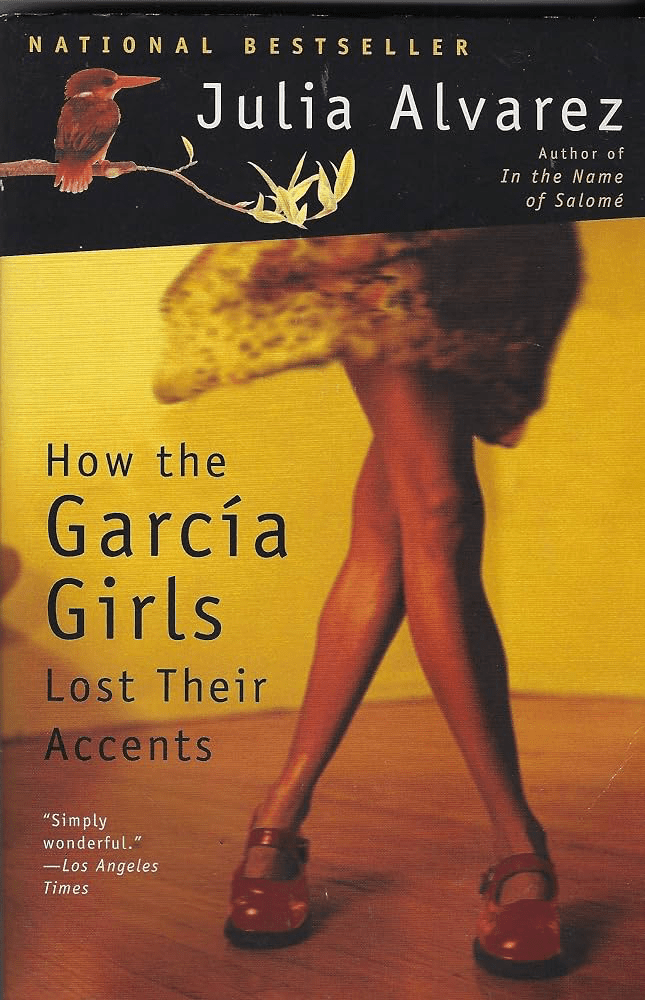
In these opening sections, Latinidad is portrayed through the lingering traditions, the Spanish language that still colors their thoughts and conversations, and the strong family bonds that anchor them in a new, often bewildering, environment. The girls’ memories of their homeland, though sometimes idealized, serve as a constant point of reference, shaping their perceptions and providing a sense of cultural heritage. This early depiction of Latinidad is less about outward expression and more about an internal framework, a lens through which they interpret their new American surroundings.
Acculturation in the first half of the novel is presented as a series of often humorous, sometimes painful, encounters with American culture. From navigating a new school system to understanding unfamiliar social cues, the sisters’ experiences highlight the challenges of adapting while trying to retain a sense of self. We see them experimenting with new names, struggling with English idioms, and grappling with different expectations for young women. This initial phase of acculturation is characterized by a push and pull a desire to fit in coupled with a deep seated connection to their Dominican roots, setting the stage for the complex cultural journey that unfolds throughout the rest of the book.
Thank you for taking the time to read my second blog!
June 19th 2026 |Eliana Deloera
 latinxlitdotblog
Leave a comment